What Are Fiber Supplements
Michael Kerr • 19 April 2020
A form of functional dietary fiber believed to provide health benefits. Fiber supplements come in powders, tablets and capsules.
POTENTIAL BENEFITS:
Increasing satiety (feeling full)
Lowering LDL (bad) cholesterol
Improved elimination (poop)
Reducing risk of colon cancer
The most common fiber supplements are metamucil (100% psyllium fiber) and inulin, both of which are sources of soluble fiber.
Metamucil: may be beneficial in treating constipation
Inulin: a popular prebiotic that has been associated with beneficial health outcomes in clinical studies including decreased inflammation, improved gut barrier function, reduced body fat, increasing Bifidobacterium (a probiotic bacteria with many health benefits) and appetite regulation.
SHOULD I BE TAKING A FIBER SUPPLEMENT?
It is important to meet your daily fiber recommendations (25g/d for women; 38g/d for men) through food sources not fiber supplements. Food sources provide both soluble and insoluble fiber in varying amounts, and both types of fiber are associated with important health benefits.
Overall, there is not enough evidence available for me to support the routine use of fiber supplements in healthy people. However, the demonstrated health benefits of inulin supplementation are promising and something I am curious to watch develop with more research. As always, before taking a supplement I would recommend focusing on including lots of prebiotic fiber-containing foods in your diet first!
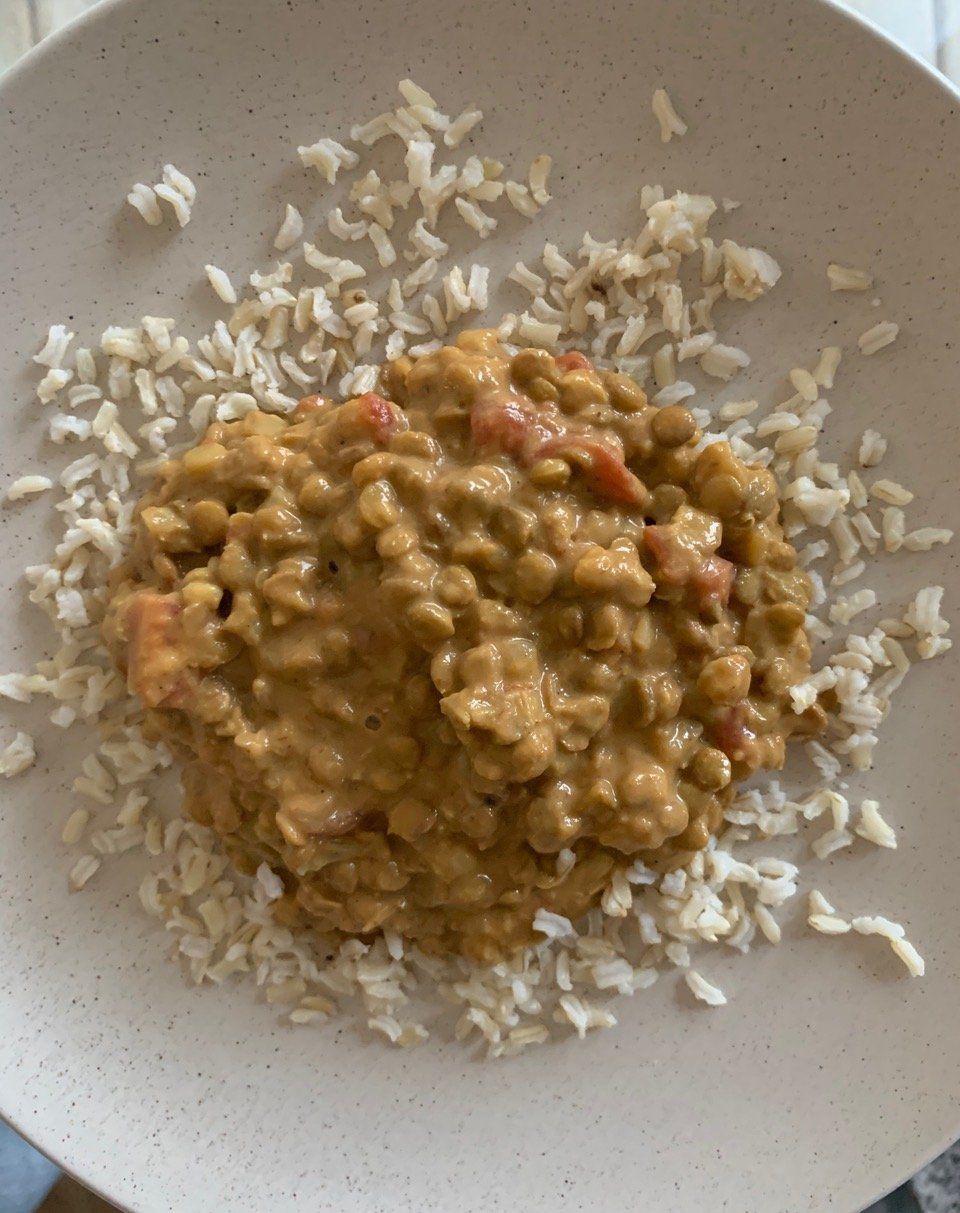
Every Sunday, I take time to prep our lunches for the upcoming week. I find it a massive pain in the ass every single week. I find it challenging to think of new ideas for meals I want to eat for an entire week, that keep well, and are tasty and delicious. But if I don’t meal prep, I regret it for the entire week. So (almost) no matter what, I get it done. This is one of my favourite meal prep recipes. It’s quick and easy, keeps well all week long and provides tons of fiber. My favourite kind of recipe!
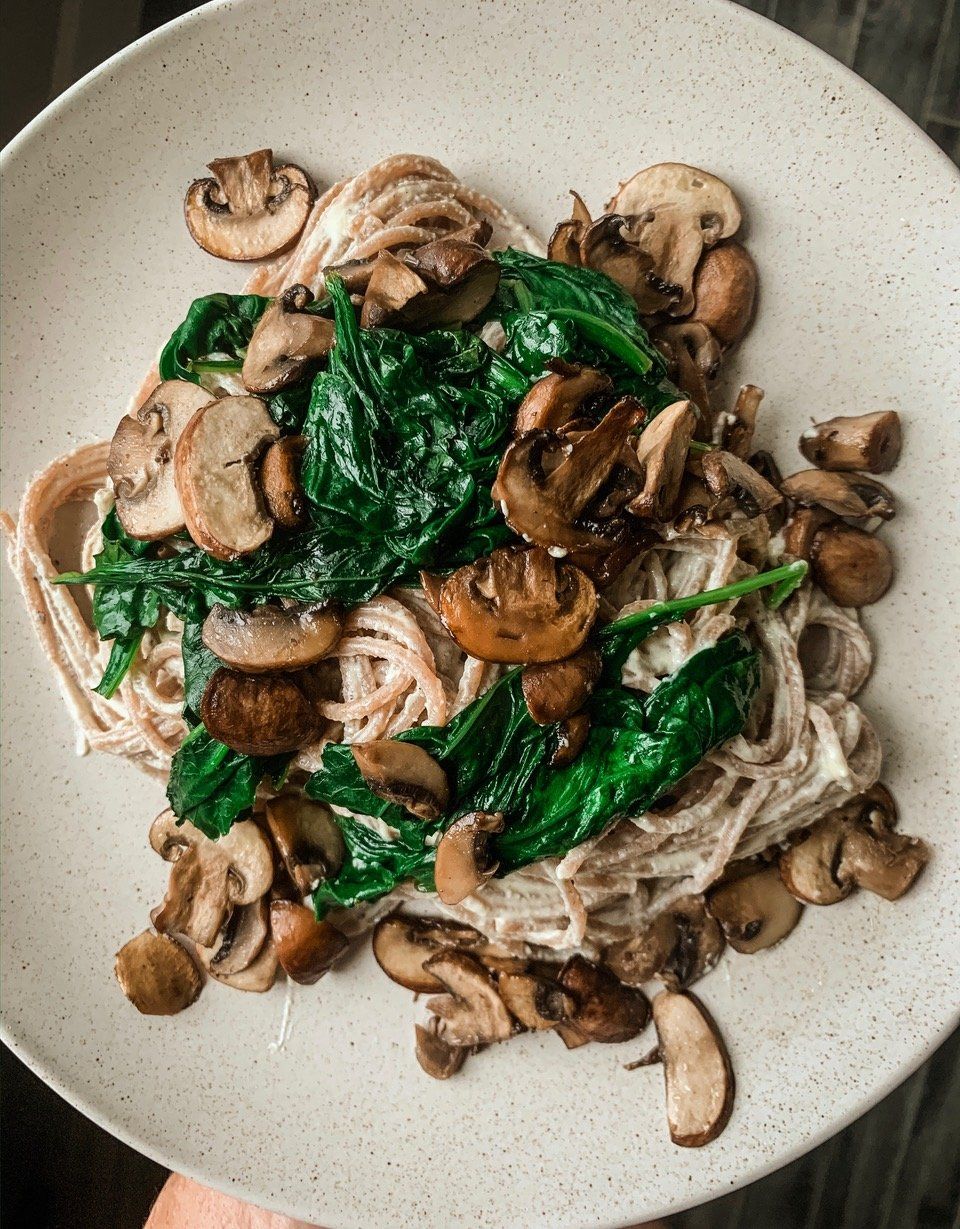
This is bomb. Creamy and delicious, just the way Alfredo should be. Minus all the saturated fat of a traditional Alfredo sauce 🙌
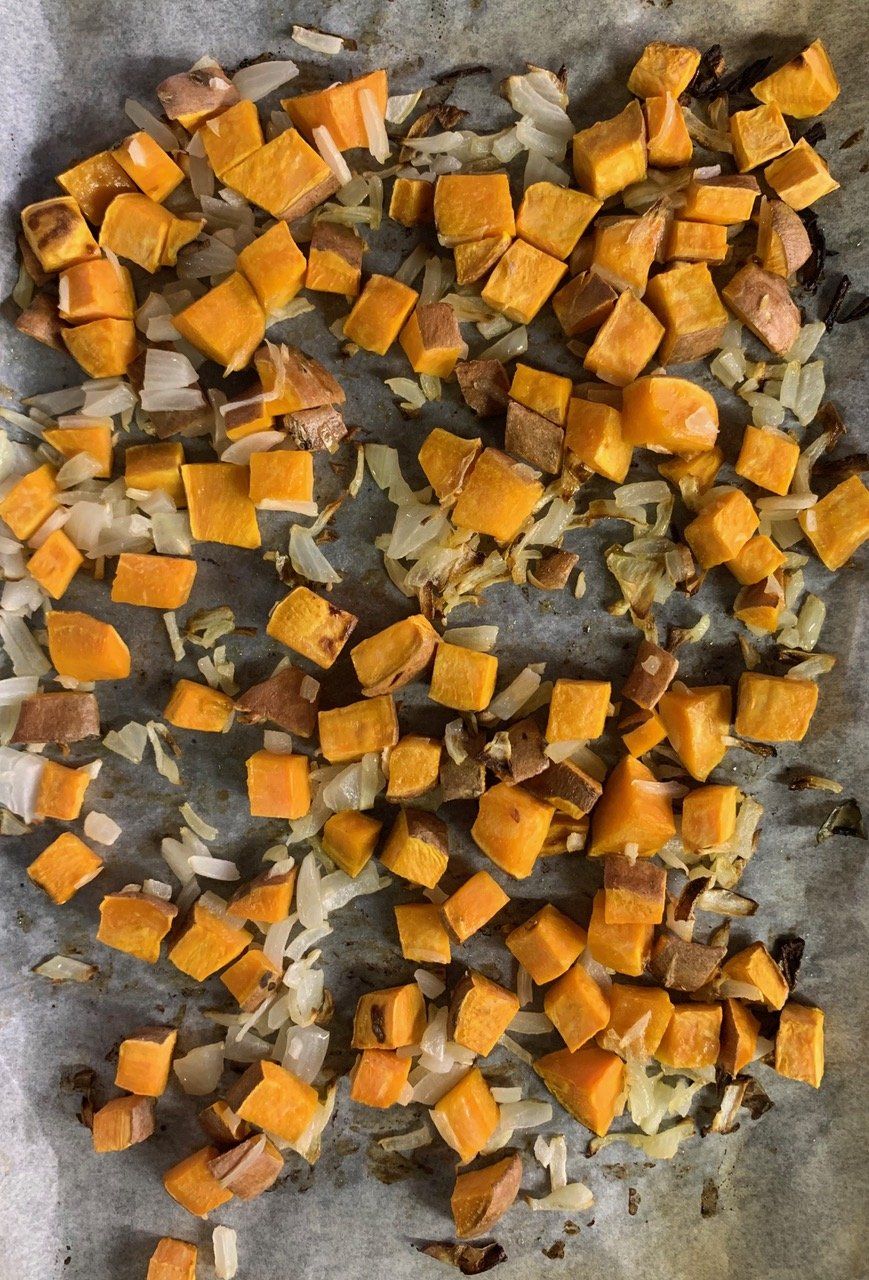
1 pack (454g) Rice vermicelli noodles 227g Cremini mushrooms, sliced 15 Brussels sprouts, halved 1 small sweet potato, cubed (1/2 inch x 1/2 inch) 1/2 Spanish onion, diced
