
Intermittent Fasting
Michael Kerr • 20 February 2020
What Is Intermittent Fasting?
Simply defined, intermittent fasting means taking a break from food, involving cyclical periods of eating and not eating. There are a variety of ways in which intermittent fasting can be done. A few years ago, the 5:2 diet was very popular, where users eat normally for 5 days during the week and fast for 2 days of the week (consuming 500-600kcal/day on fasting days). The most common fasting schedule these days is 16:8 fasting (a 16-hour fast followed by 8-hour eating window). A popular schedule for 16:8 fasting is eating your last meal between 6-8pm and then allowing for a 16-hour fast between your first meal of the following day between 10am-12 noon (i.e. skipping breakfast the following day). Advocates typically recommend limiting intake to less than 40 kcals (usually from fat) during fasting periods, such as a splash of milk or cream in your tea or coffee. Personally, I stick to less than 100 calories during fasting and haven’t found an issue.
I love intermittent fasting (IF). So much so, that it is one of the core principles of the Gut Fuel Diet. There are many ways to do intermittent fasting, and I prefer certain approaches over others. In general, for most people I prefer a “gentle” fasting of 12 hours per day for digestive health. Fasting period allow for the activation of the migrating motor complex (MMC), which is necessary for optimal digestion. For weight loss, longer fasting periods of 14-16 can be highly effective. I consider IF the single most impactful tool in my personal weight loss.
However, fasting is not for everyone. If you have any pre-existing medical conditions (particularly diabetes and thyroid issues) you should speak to your physical before starting IF. Intermittent fasting also isn’t appropriate for children, or during pregnancy and breastfeeding. I do not recommend IF for anyone with a history of disordered eating.
Benefits:
There are some promising benefits to IF that have been demonstrated in the literature, although more large-scale human trials are required to solidify benefits. These include:
- Improved digestion (through activation of the migrating motor complex)
- Weight loss
- Improved insulin sensitivity and blood sugar control
- Improvements in neurological condition, mental clarity and brain function
- Improvements in gut health
- Anti-inflammatory effects
Implementation:
First and foremost, when I recommend intermittent fasting it is not to remove one of the three core meals in the diet and therefore increase susceptibility to nutrient deficiencies. IF can eliminate evening and nighttime eating which are providing excess calories, sodium and fat and limited nutrients.
When doing IF you need to be focused on eating nutrient-dense foods and limiting highly processed and refined foods.
With IF you need to be particularly mindful of maintaining stable blood sugars. It is very important to balance your meals with protein, high fiber and healthy fats in order to keep stable blood sugar levels during fasting periods. Consuming a lot of simple sugars and refined carbohydrates will lead to erratic blood sugar levels, irritability, headaches and hunger during fasting.
As always, focus on whole food ingredients. Meals should be prepared at home most often. Limit processed foods and refined carbohydrates. Ensure you are getting plenty of fiber (fruits, veggies, whole grains), healthy fats (avocados, olive oil, nuts and seeds) and protein (beans and legumes, eggs, meat, dairy). Aim for meals to follow the “healthy plate method”.
If your current diet is very high in simple sugars and refined carbohydrates or lacking fiber, I would recommend spending several weeks implementing the healthy plate method, reducing sugars and increasing fruits and vegetables prior to starting any type of IF.
When you first start fasting, aim for a 12-hour, gentler fasting schedule. This will allow your body to adjust and limit feelings of hunger, irritability or obsessing about food during fasting. Once you have adapted to 12 hours consider pushing to a 14-hour fast. If you experience any headaches, sluggishness, irritability or extreme hunger, then a 12-hour fast might be right for you. If you are feeling energized, experiencing improved digestion and limited hunger during fasts and if weight loss is a goal for you, you can progress to a 16-hour fasting period. I do not recommend fasting for any longer than 16-hours per day. From personal experience, feeling hungry during fasting may occur initially, however, after the first 1-2 weeks I rarely if ever feel hungry during fasting. If I feel particularly hungry, I will break my fast as this is a sign that I may not have eaten adequate amounts during my previous eating period. Additionally, if I do particularly strenuous exercise above my typical routine, I may break my fast or reduce fasting hours. Ultimately, listen to your body! IF may work wonderfully for some and not so much for others.
When breaking your fast, it is particularly important that your first meal be high in protein, fiber and healthy fats and limited in sugar and refined carbohydrates. This will keep blood sugars stable when reintroducing food following a fasting period. It is also important not to overeat at this time and instead gradually introduce food. My break-the-fast chia pudding
or everyday smoothie
are great options for this time, or a slice of sprouted toast with avocado and hemp hearts or nut butter and berries.
Lastly, ensure the hours you set for fasting work best for your schedule. I choose to fast from 6pm until 10am most days, as we eat dinner with my son around 5:30pm. However, some days due to scheduling we eat dinner later and I either adjust my fasting hours or reduce my fasting period to 14-15 hours. Choose whatever fasting period works with your life!
I also choose to follow a 16:8 fasting schedule from Sunday to Thursday, but often only follow a 12-14 hour fasting schedule on the weekends. This again reduces feelings of restriction and deprivation and has still allowed me to feel great and meet my personal goals.
Sample Day:
- 7am-10am: coffee w/ splash of milk, water, hot water w/ lemon
- 10am (breakfast): break-the-fast chia pudding
- 11am: everyday smoothie (I sip this between 10am-noon; however I realize it is not possible for many people to eat multiple times throughout the day due to work schedules)
- 12pm (lunch): lentil dal with brown rice and berries
- 3pm (snack): Mary’s crackers with hummus
- 5:30pm (dinner): spelt pasta with veggies, 2 squares dark chocolate or 5oz. glass of red wine
As you can see, I am still eating a “normal” amount of food, just condensed into an 8-hour period. This allows me to prevent feelings of hunger during my fasting period and ensure I am meeting all of my nutrient requirements. I also don’t feel deprived, since I am not restricting the amount of food I’m eating. In fact, I often feel like I am eating more food while fasting since I am eating nearly every 2 hours during my eating periods.
References
Moro T, Tinsley G, Bianco A, Marcolin G, Pacelli QF, Battaglia G, et al . Effects of eight weeks of time-restricted feeding (16/8) on basal metabolism, maximal strength, body composition, inflammation, and cardiovascular risk factors in resistance-trained males. J Transl Med. 2016 Oct; 14(1): 290.
Mattson MP, Longo VD, Harvie M. Impact of intermittent fasting on health and disease processes. Ageing Res Rev. 2017 Oct; 39: 46-58.
Patterson RE, Sears DD. Metabolic Effects of Intermittent Fasting. Annu Rev Nutr. 2017 Aug; 37: 371-393.
Rothschild J, Hoddy KK, Jambazian P, Varady KA. Time-restricted feeding and risk of metabolic disease: A review of human and animal studies. Nutr Rev. 2014 May; 72(5): 308-18.
Zarrinpar A, Chaix A, Yooseph S, Panda S. Diet and feeding pattern affect the diurnal dynamics of the gut microbiota. Cell Metab. 2014 Dec; 20(6): 1006-17.
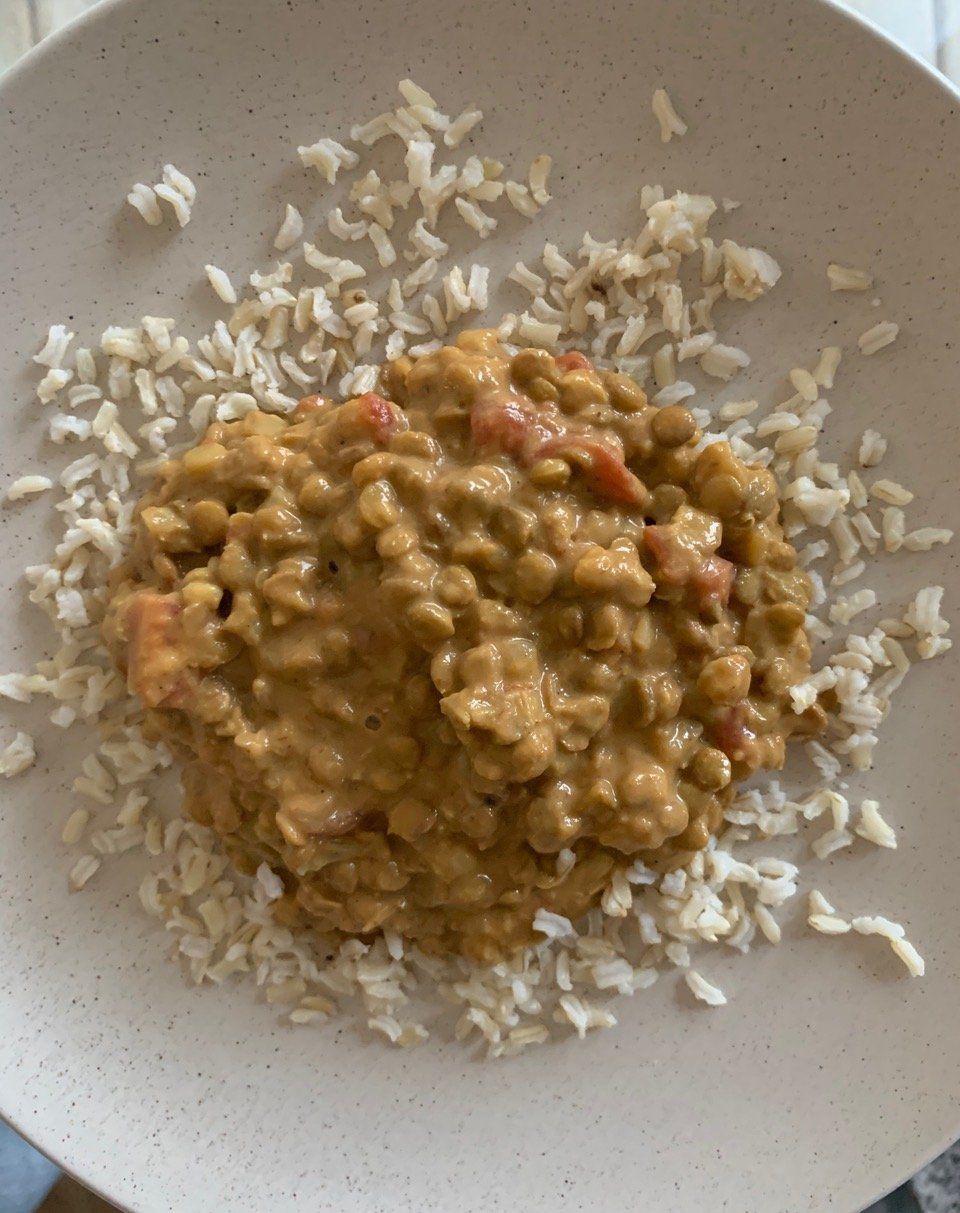
Every Sunday, I take time to prep our lunches for the upcoming week. I find it a massive pain in the ass every single week. I find it challenging to think of new ideas for meals I want to eat for an entire week, that keep well, and are tasty and delicious. But if I don’t meal prep, I regret it for the entire week. So (almost) no matter what, I get it done. This is one of my favourite meal prep recipes. It’s quick and easy, keeps well all week long and provides tons of fiber. My favourite kind of recipe!
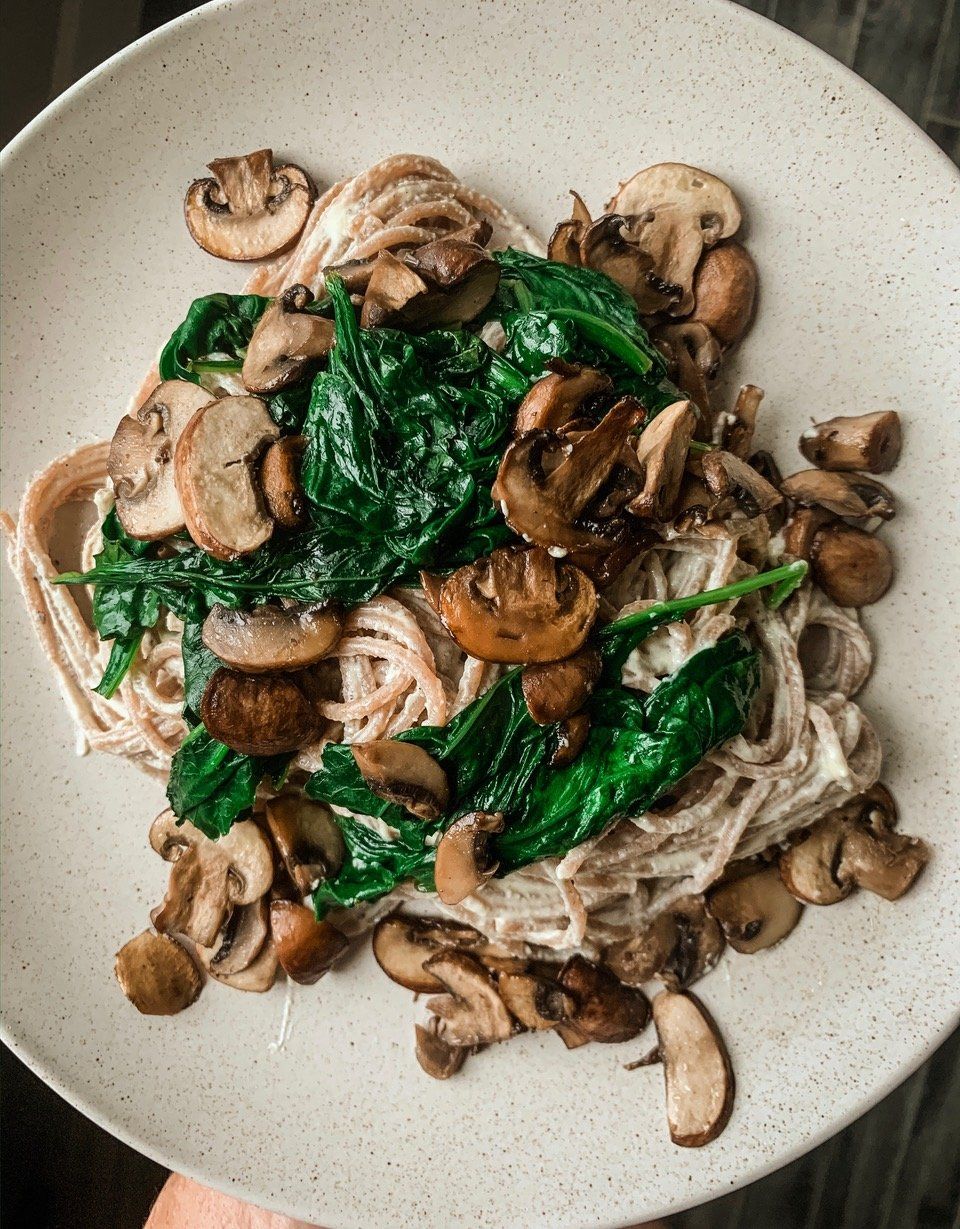
This is bomb. Creamy and delicious, just the way Alfredo should be. Minus all the saturated fat of a traditional Alfredo sauce 🙌
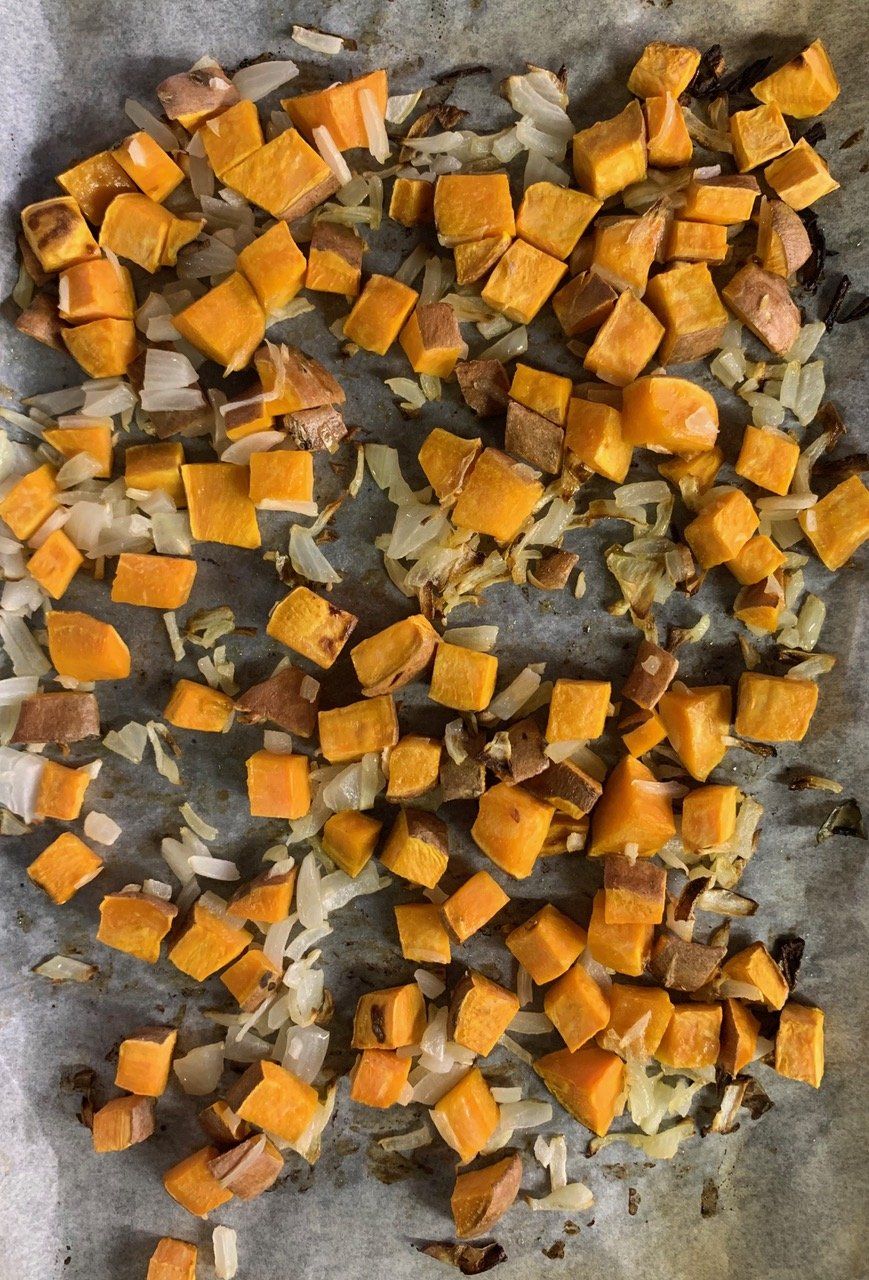
1 pack (454g) Rice vermicelli noodles 227g Cremini mushrooms, sliced 15 Brussels sprouts, halved 1 small sweet potato, cubed (1/2 inch x 1/2 inch) 1/2 Spanish onion, diced
